
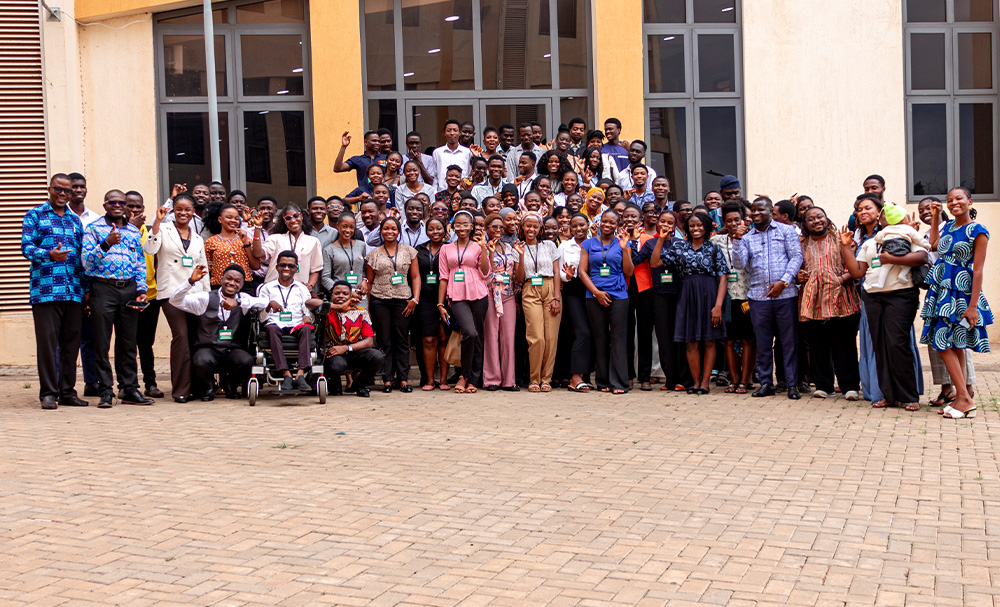
The Kwame Nkrumah University of Science and Technology, Kumasi (KNUST) Nutrition and Sustainable Agri-food Collaborative, in partnership with the Mastercard Foundation under the Nkabom Collaborative, has trained 100 tertiary students to identify challenges in the agrifood value chain and develop innovative solutions with business potential.
The 10-day Tertiary Entrepreneurship Training (TET) in Agribusiness, organised under the Entrepreneurship Pillar of the Nkabom Collaborative, formed the second cohort of the programme’s second year.
Participants received practical training in problem identification and validation, design thinking, business development and pitching, with an emphasis on turning challenges in agriculture into opportunities for innovation and enterprise.
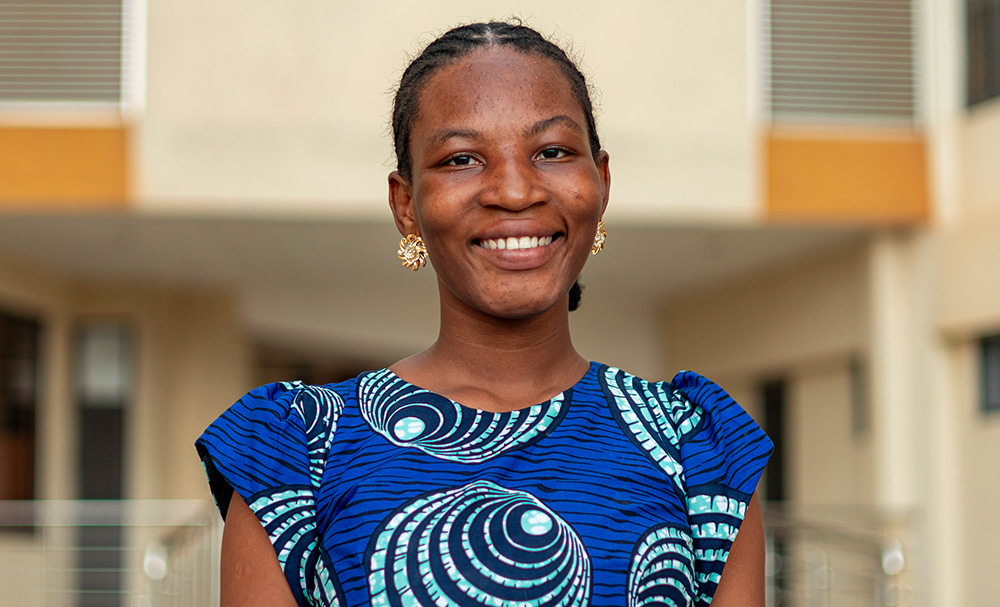
One participant, Charity Abate, said the training had changed how she approached problems in the agricultural sector, particularly by teaching her to validate a problem before developing a solution.
Drawing on the training, Abate and her team developed an idea to produce environmentally friendly, biodegradable packaging materials from agricultural waste.
The proposed solution combines discarded coconut husks and stems with cassava starch to produce packaging in different forms and sizes. The team is targeting food vendors, restaurants, supermarkets and premium packaging companies, with plans to eventually scale production for export.
“The training was able to help us refine our idea by providing the necessary guidelines needed to put the solution together to form a business, and we were also able to meet with other people who are equally interested in this solution,” she said.
Abate, a nursing mother who participated with her baby, also highlighted the programme’s efforts to create an inclusive learning environment, saying childcare support enabled her to participate fully in the training.

Another participant, Maxmilian Morimi, said the programme exceeded his expectations and strengthened his entrepreneurial knowledge and confidence.
Morimi, who uses an electric wheelchair, said he initially had concerns about transportation, accommodation and accessibility. He said arrangements by the organisers, including dedicated shuttle transportation between his accommodation and the training venue, enabled him to participate fully.
He said the training equipped him to identify problems within his community, generate business ideas and develop strategies to turn them into practical solutions.
Morimi also credited the programme with improving his confidence in public speaking and pitching ideas.
“Though I was able to do presentations before, it was not with that kind of confidence and being able to flow, explaining things in terms of ideas for people to understand. All these things, I've just learned within 10 days. I am really excited and empowered,” he said.

Another participant, Diana Aforkor Laryea, said the training broadened her understanding of entrepreneurship and introduced her to practical tools for analysing problems and developing solutions.
She highlighted the problem tree and design thinking approaches, which she said helped her identify the root causes and effects of problems and develop possible solutions.
“The training gave me a better understanding of how to analyse problems systematically, particularly through the problem tree, which helped me identify their root causes, effects and possible solutions,” she said.
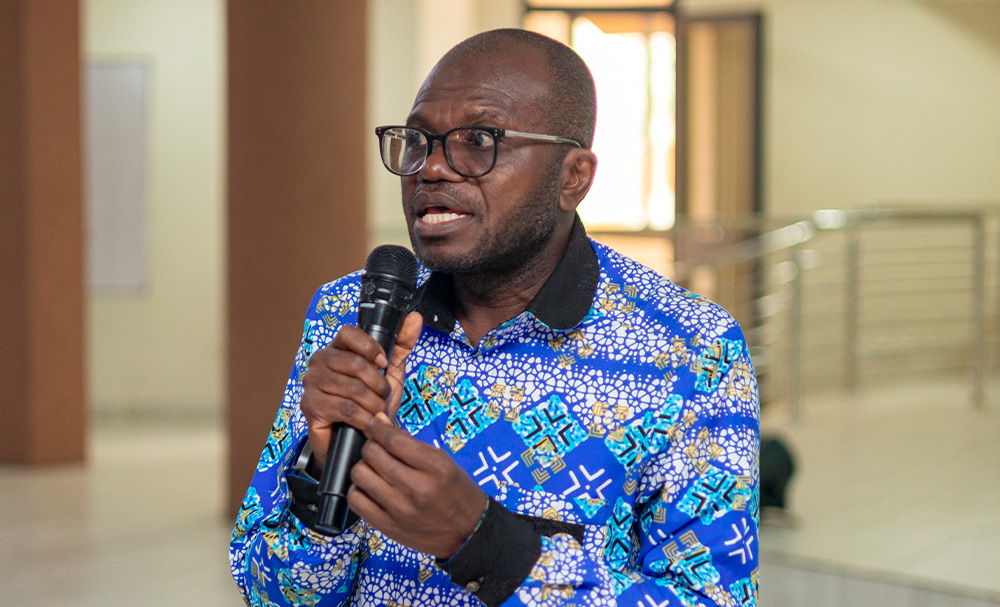
Entrepreneurship Pillar Lead Professor Wilberforce Achiaw Owusu-Ansah encouraged participants to build on the ideas generated during the training, saying the programme marked only the beginning of their entrepreneurial journey.
He urged them to continue refining their ideas ahead of subsequent pitching opportunities.
“This is just the beginning of the kind of impact we want to have on you. Whatever you have gained from this programme should serve as a seed that will grow and contribute to changing the narrative on unemployment and underemployment in Ghana,” he said.
Professor Owusu-Ansah encouraged participants to develop their ideas into viable ventures and assured them of continued support through mentorship and funding opportunities.
Story: Michael Kwawu


